
What is Modern Website Development?
Website development is the comprehensive discipline of conceptualizing, architecting, coding, and maintaining robust digital experiences for the web. Far beyond simply choosing an off-the-shelf theme, professional development combines user psychology, bespoke visual craft, and rigorous engineering to deliver lightning-fast, accessible web software.
At Hemden Design, we engineer modern static and hybrid architectures (utilizing Astro 5, TypeScript, and atomic Tailwind CSS) that compile directly to clean HTML/CSS—eliminating sluggish database round-trips.
The Five Crucial Phases of the Development Lifecycle
Building an institutional-grade website demands a disciplined, transparent phased delivery workflow. Skipping any of these phases inevitably leads to rework, missed deadlines, or technical debt.
- Phase 1 — Discovery & Information Architecture: User persona mapping, competitive audits, and sitemap hierarchy.
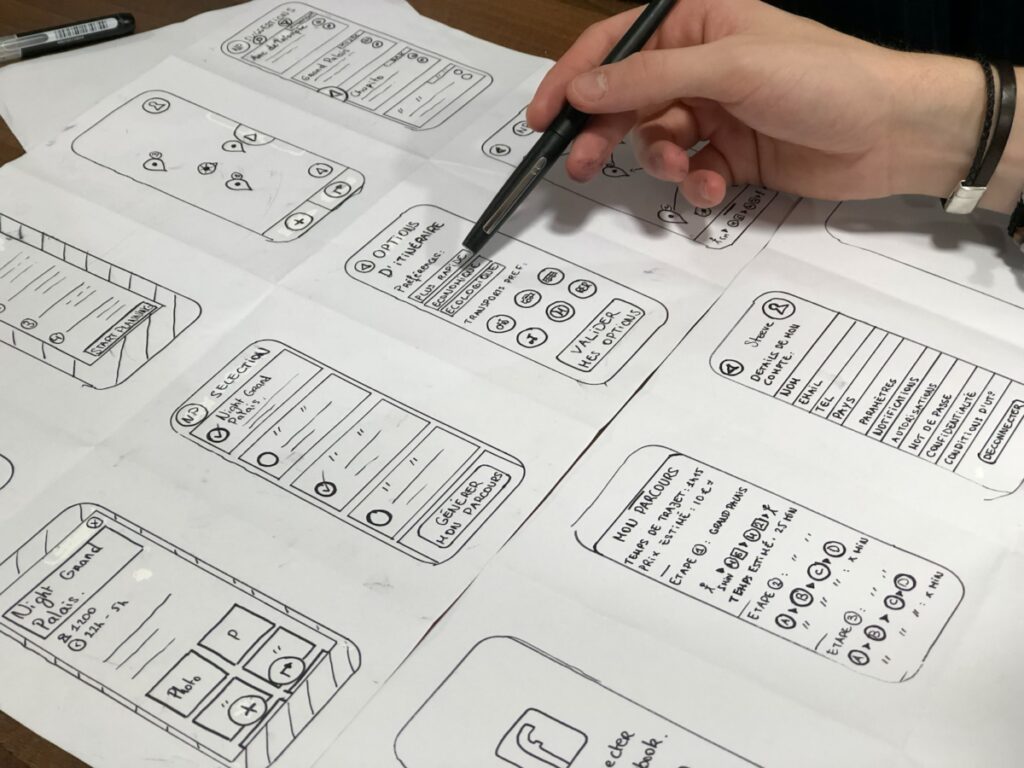
- Phase 2 — UI/UX Prototyping: Creating design tokens in Figma and testing interactive flows with stakeholders.
- Phase 3 — Clean-Code Engineering: Handcrafting zero-bloat static HTML/CSS, fluid grids, and accessible components.
- Phase 4 — Quality Assurance & Launch: Cross-browser physical device testing, Core Web Vitals tuning, and edge CDN deployment.
- Phase 5 — Maintenance & SEO Monitoring: Ongoing telemetry, conversion rate optimization, and search engine tracking.
Why Bespoke Code Trumps Bloated Template Builders
Legacy page builders (like generic WordPress Elementor templates) inject hundreds of unneeded external scripts, resulting in sluggish 5-second load times and vulnerable plugin architectures. In contrast, bespoke engineering delivers instant sub-second rendering, zero platform lock-in, and total visual freedom.

Four Modern Engineering Trends Leading the Future
- Edge Cloud Deployment: Distributing pre-rendered static assets across 300+ global Cloudflare PoPs for instant worldwide delivery.
- Headless CMS Architecture: Decoupling the visual editorial dashboard from the public codebase for maximum safety.
- Generative Engine Optimization (GEO): Structuring knowledge graphs so AI search engines cite your brand accurately.
- Hardware-Accelerated Fluid Micro-Interactions: Silky 60fps transitions that enrich engagement without CPU overhead.