Hemden Design Hemden Design
Design Systems 6 min read

What is UI/UX Design?

Understanding UI (User Interface) and UX (User Experience) design is critical in creating websites that captivate and convert.

Hemden Design Team
Hemden Design Team
Product Design & UI/UX Systems
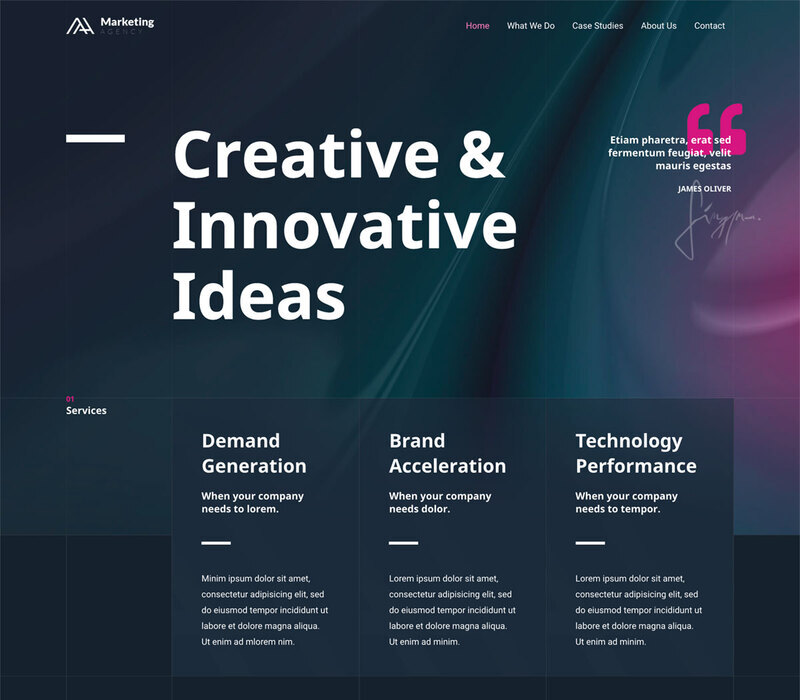
Minimalist Editorial User Interface with Clear Typographic Hierarchy

Untangling the Distinction: UI vs. UX

While frequently grouped together, User Interface (UI) and User Experience (UX) represent two complementary disciplines of product architecture. UI is the emotional and aesthetic sensory skin of your website; UX is the neurological structural skeleton.

UI (User Interface) focuses on visual craftsmanship: typographic scale, chromatic contrast, micro-interactions, button states, and photographic art direction. It ensures the brand feels prestigious, cohesive, and modern.

UX (User Experience) focuses on cognitive psychology: user journeys, information architecture, wireframing, friction reduction, and conversion funnel optimization. It ensures the visitor accomplishes their goals effortlessly.
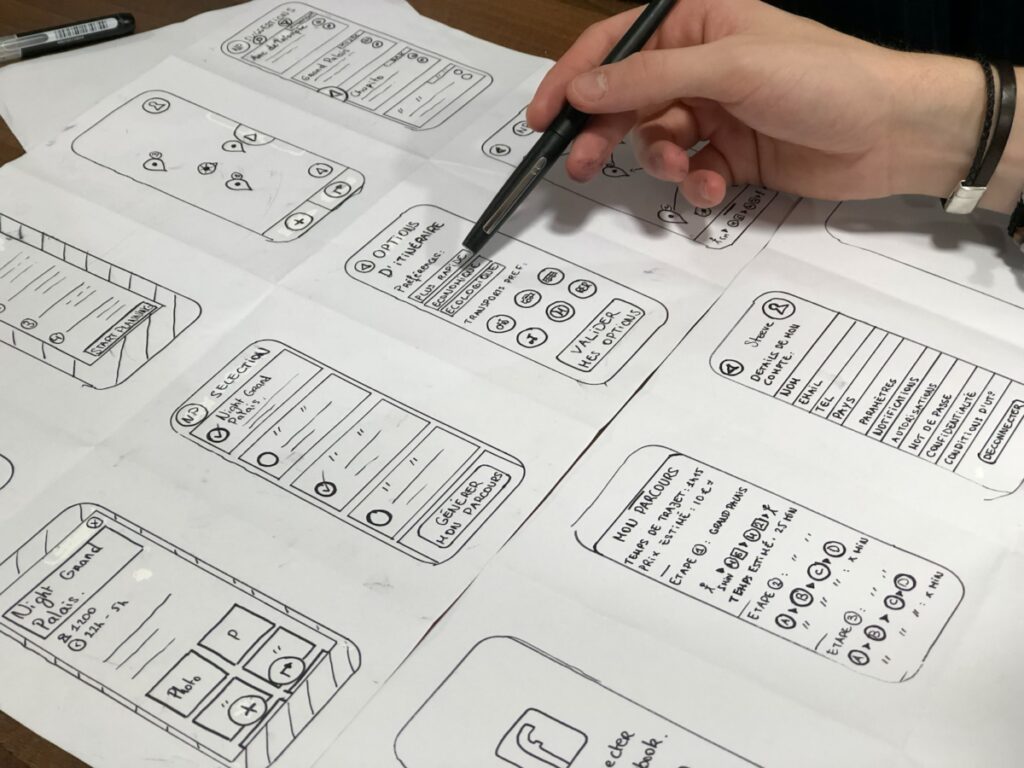
Designer Sketching User Interface Wireframes and Information Architecture
UI designs visual emotion and typography; UX architects seamless cognitive user pathways.

The Tangible Business ROI of Superior UI/UX

A visually breathtaking website with confusing navigation frustrates users and leads to abandoned sessions; conversely, an intuitive flow wrapped in dated, unrefined aesthetics fails to inspire confidence in enterprise decision-makers. Superior UI/UX hits the exact intersection of beauty and utility.

  • Lower Cognitive Friction: Clear visual cues guide visitors intuitively toward inquiries.
  • Exponential Conversion Lifts: Every redundant form field or confusing step removed directly boosts close rates.
  • Long-Term Brand Equity: Seamless digital experiences establish authoritative prestige that justifies premium pricing.

The Five-Step Architectural Design Process at Hemden

We do not begin in code. Following Swiss Editorial design philosophy, we execute a rigorous five-step design protocol to validate every interface decision with stakeholders before a single line of production CSS is written.
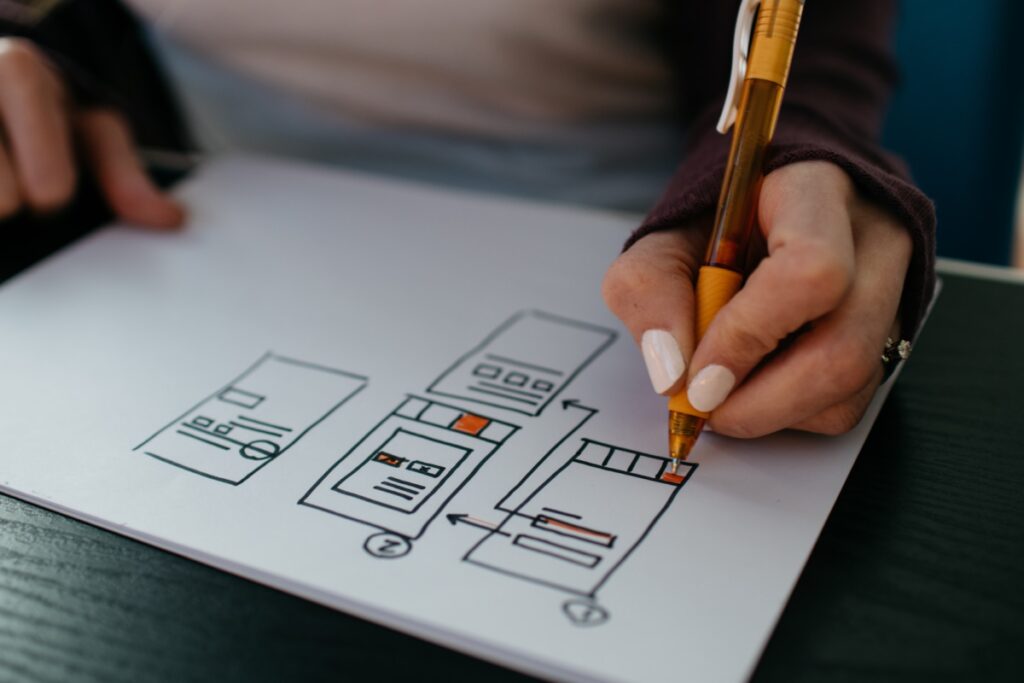
Design Systems and Component Libraries in Figma
Design systems establish tokens for typography, spacing, and colors ensuring perpetual consistency.
  • 1. Research & Analysis: Auditing competitive landscapes, user personas, and commercial conversion objectives.
  • 2. Information Architecture & Wireframing: Mapping low-fidelity schematics to structure content hierarchy.
  • 3. High-Fidelity UI Systems: Establishing typography tokens, color harmonies, and responsive component libraries in Figma.
  • 4. Interactive Prototyping: Testing real micro-animations, clickable user journeys, and tactile feedback.
  • 5. Engineering Hand-off: Pixel-perfect translation into semantic, accessible HTML, CSS, and TypeScript.
Tags: #UI/UX Design #Design Systems #Figma Prototyping #User Psychology #Conversion Rate

FREQUENTLY ASKED QUESTIONS

Direct answers to key inquiries regarding strategy, implementation, and ROI.

UI (User Interface) design refers to the visual and sensory elements of a website—including typographic hierarchy, color schemes, buttons, icons, and micro-animations—that communicate the brand's aesthetic identity.
UX (User Experience) design focuses on optimizing the visitor's entire journey—ensuring the information structure is intuitive, frictionless, and logically guides them toward completing their desired goals.
Beautiful visuals without UX leave visitors confused; smooth navigation with amateur aesthetics fails to inspire trust. Combining both drives immediate credibility and measurably elevates conversion rates.
The workflow progresses through Research & Analysis, Wireframing, High-Fidelity Prototyping, Usability Testing, and Pixel-Perfect Engineering Implementation.
A design system is a centralized single source of truth containing design tokens (typography, colors, spacing) and modular components. It cuts future design and development time by up to 50% while guaranteeing perpetual visual consistency.

RELATED INSIGHTS

Continue exploring related methodologies and technological perspectives.

View All Insights→
Multi-device Responsive Web Design Showcase
Web Design
Web Design · 6 min read

What is Responsive Web Design?

Responsive Web Design ensures websites dynamically adapt layout, typography, and imagery across 4K monitors, laptops, tablets, and phones.

#Responsive Design #RWD #Mobile-First
Hemden Design Team Hemden Design Team
Read →
Bespoke Studio Partnership

Ready to build high-performance digital products for your brand?

Whether migrating from legacy platforms, designing tokenized UI/UX systems, or deploying AI automations, Hemden Design engineers bespoke solutions with zero bloat.